Showing posts with label art movement. Show all posts

Thursday, 30 April 2015

Art Movement: Surrealism artists


Here are some surrealism artists, I have chosen these 3 images to look at.


Salvador Dali 'Sleep'
I quite like this painting by Salvador. The face is being help up by wooden crutches, it also looks as if its just balanced right and any movement will cause it to fall and wake the face up. The background is quite barren apart from a temple looking building on the far right. This gives a hint that this is drawn in the dream, that it is not real.


Giorgio de Chirico 'Melancholia'
Max Ernst 'Europe after the Rain II' Decalcomania technique
This is a Decalcomania technique. Paint is placed on a board of some sort with some water, you mix the paint and water around and place a piece of paper down then peel it off. It leaves a paint mark that you are able to work into with paint brushes or pens / pencils. This was created using this technique. I quite like the look of this and it does look like the buildings have been eroded away after the rain, part of the buildings are slumped or not there to show the damage. I have also tried this technique with my own work.

Monday, 20 April 2015

Art Movement: Dadaism

Dadaism
 
Dadaism was an art movement of the European avant-garde in the early 20th century. Dada began in Zurich, Switzerland in 1916 which spread to Berlin shortly thereafter, but the height of the New York Dada happened the year before in 1915. The roots of Dada lay in pre-war avant-garde, the movement was caused by a reaction to World War One, Nationalism and Rationalism.
 
The key artists in the movement are: Hugo Ball, Emmy Hennings, Hans Arp, Raoul Hausmann, Hanna Höch, Johannes Baader, Tristan Tzara, Francis Picabia, Richard Huelsenbeck, George Grosz, John Heartfield, Marcel Ducham, Beatrice Wood, Kurt Schwitters, Hans Richter and Max Ernst, among others.
 
Dada had influences and the main ones were Abstraction and Expressionism and to a lesser extent, Futurism. Dada was created and intended to provoke an emotional reaction from the viewers, typically shock or outrage. Using an early form of shock art, the Dadaists pushed mild obscenities, scatological humour (Toilet humour, or scatological humour, is a type of off-colour humour dealing with defecation, urination and flatulence, and to a lesser extent vomiting and other body functions.), visual puns and everyday objects which were renamed as "art" into the public eye.


Monday, 13 April 2015

Art Movement: Impressionism

Impressionism
 
Impressionism is one of the movements I will be looking at. Impressionism is a 19th-century art movement that began with a group of Paris-based artists. Their independent exhibitions brought them to prominence during the 1870s and 1880s, in spite of harsh opposition from the conventional art community in France.
 I quite like impressionism art works as the artists don't sit around in their houses or desks trying to create art but instead they go out and capture what  is happening around them, events or memories that can't be captured with a camera. It makes the work even more beautiful. For example the piece on the left of a dog shaking the water off captures the movement of the dog and how the water would look like in slow motion, the drops flying out in every direction while the dog's skin and fur move around. This art piece is called 'Shakin' off the blues by Iris Scott'
 
 
'The cliffs at Etretat by Claude Monet' shows the beauty of the cliff and sea landscape combines, instead of re creating this effect on any paper, the artist has gone out and seen something like this and captured it, the oil work on the canvas gives the cliffs, sky and sea a rougher and natural look.
'Starry night by Vincent Van Gogh' This is one of my favourite pieces of art work from Van Gogh, the loose brush strokes gives off a one motion feel to his work, as if it wasn't just paint in his work. The way the sky, stars and moon work together in the sky is recreated in a different way but still looks stunning. The village below doesn't capture the eye at first glance but brings the viewer in once they've looked at the starry night. (This is Post Impressionism) 
'Sunday afternoon on the island of La Grande-Jatte by Georges Seurat' This is also a art work I like from the Impressionism genre. I had learnt about this art work when I was in primary school and couldn't believe that this was created with tiny dots of paint. This kind of skill created something amazing, this artist was able to be outside in the environment and create this art work which then inspired other artists, although they could never reach this unique skill, they went on to create works of art. I like this art work because the way the artist has captured the shade and where the sun is, it shows that this wasn't recreated in an office type of environment.

Art Movement: Futurism

Futurism
 
Futurism lasted from 1909 - 1944.
Futurism is a revolutionary Italian movement that celebrated modernity, the vision was outlines in a series of manifestos that had attacked the long tradition of Italian art in favour of a new avant-garde.
They had glorified industrialization, technology and transport along with speed, noise and the energy of urban life.
Futurism celebrated the advanced technology and urban modernity, committed to the new the members wished to destroy the older forms of culture and to demonstrate the beauty of modern life.


These are some Futurism art pieces that I quite like, the first one is a mixture of warm colours with a few cold colours near the bottom. Although you cant make sense of what is happening entirely, it still has a sense of mystery of what the main purpose of those figures are or what made the artist create this. It is created by Carlo Carrà, 'Funeral of the Anarchist Galli' 1910-11.


This painting was made by, Umberto Boccioni. He was an Italian sculptor, painter, printmaker and writer and as one of the principal figures of Futurism he had helped shaped the movement's revolutionary aesthetic as a theorist and an artist. His art was concerned with dynamism of form and with a breakdown of solid mass in his sculpture he continued to influence artists long after his death.


This painting is called 'Elasticity by Umberto Boccioni 1912'. This has a lot more warm colours than the other two which makes the painting seem more happy. The reds, oranges and yellows take up most of the centre of the painting, while some blues and greens take the outer edges. Although you cannot see what the painting is trying to mean it is still something beautiful to look at. By the top right corner it looks like ship sails, although I'm not sure what its meant to represent, it does fit with the rest of the work.

Monday, 23 March 2015

Art Movement: Cubism.

 
Cubism.
 
Cubism is an early 20th century avant-garde art movement that revolutionised European painting and sculpting. Cubism has been considered the most influential art movement of the 20th century.
Cubism was pioneered  Georges Braque and Pablo Picasso, joined by Jean Metzinger, Albert Gleizes, Robert Delaunay, Henri Le Fauconnier, Fernand Léger and Juan Gris.

The movement was pioneered by George Braque and Pablo Picasso, joined by Jean Metzinger, Albert Gleizes, Robert Delaunay, Henri Le Fauconnier, Fernand Leger and Juan Gris.

This painting was done by George Braque in 1920, it is called 'Violin and Candlestick' It is an oil on canvas painting in the San Francisco Museum of Modern Art.
 
 The art work is quite difficult to decipher at first, but you can see the violin in the middle, broken up by the shapes, but there looks to be more than one. The candlestick is slight more difficult to find. This work is quite nice but I would look at different type of cubism work, for example, Robert Delaunay.
 
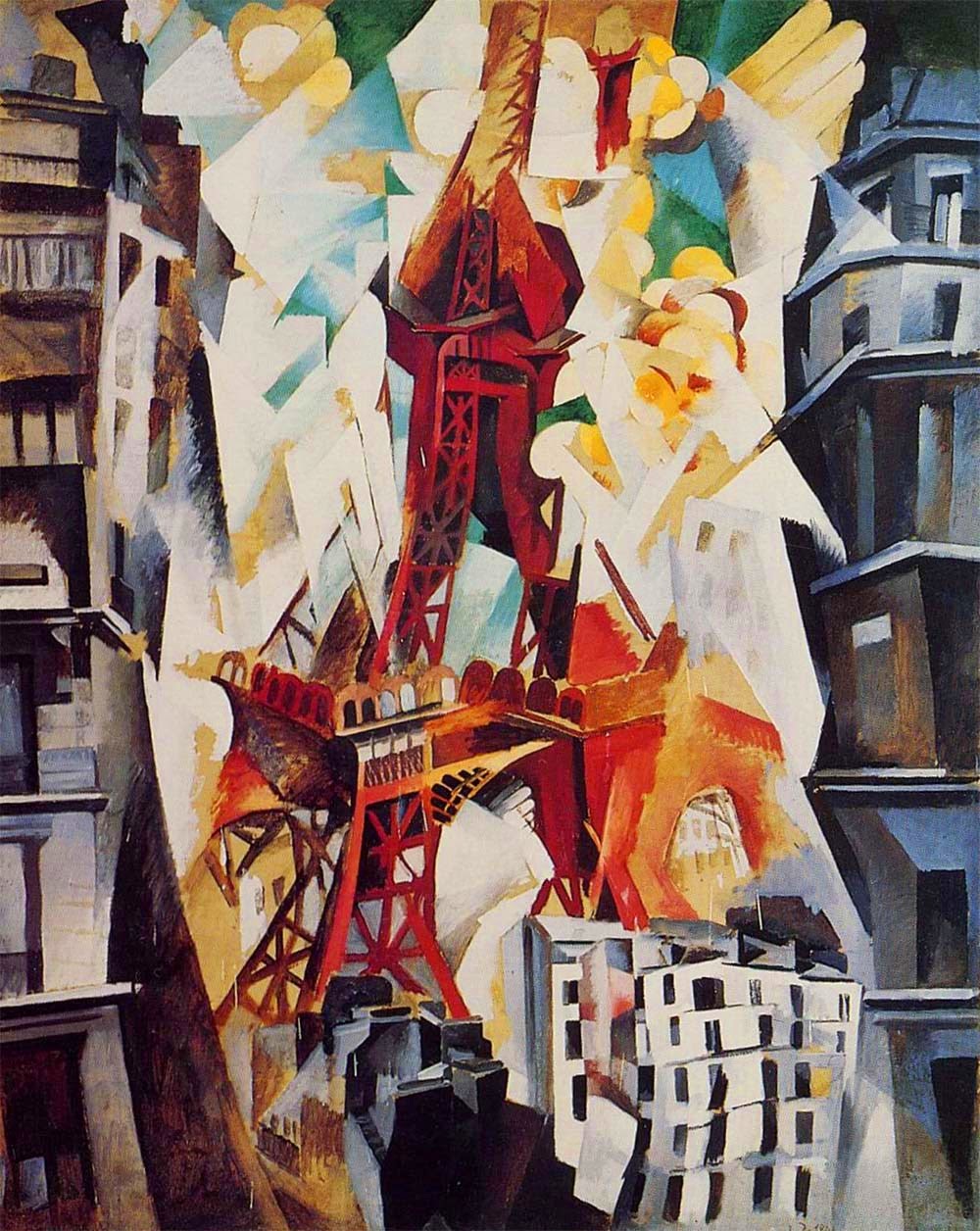
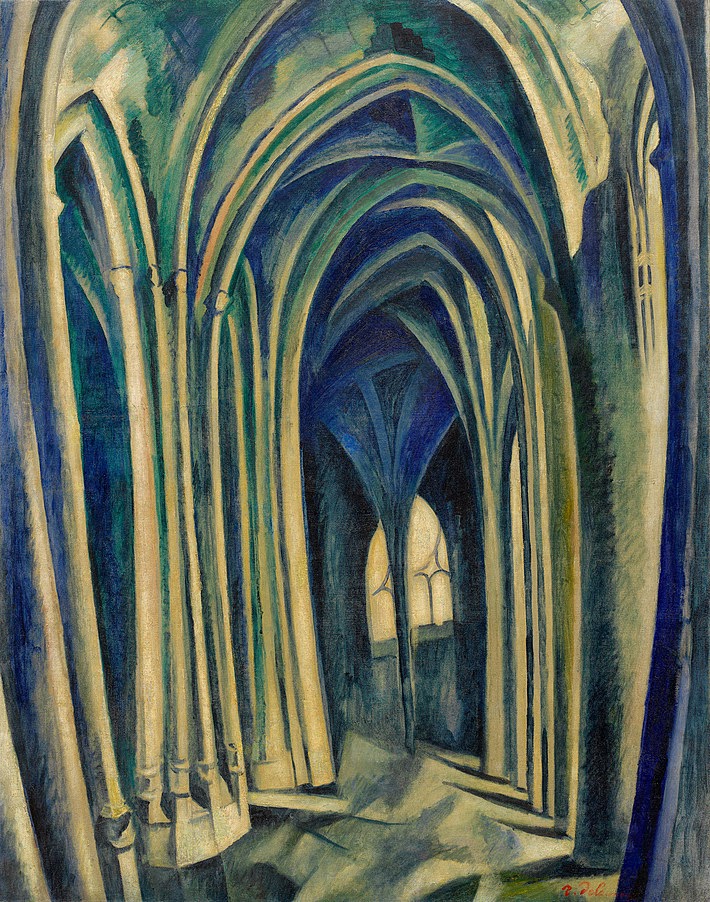
 These are some pieces of work that Robert Delaunay has made, and are few of my favourites. I like his Eiffel Tower work as the abstract shape of the frames, mixed in with the cloud like shapes placed in between two buildings. This kind of work draws the eye as it is a mixture of warm and cold colours and the cube like 'mess' (Not really a mess, just has that jagged look to it)


I have myself done a piece of Delaunay's work for a school project which has part of his Eiffel and circles work. I also have a enlarged version of part of his Eiffel work in wax crayon. This kind of work inspires me as it is abstract and pretty much anything goes which adds uniqueness to Delaunay's work.

Art Movement: Art Deco

Art Deco


This blog post will be about a movement that is slightly similar to cubism but takes a different look on it.

Art Deco is an influential visual arts design style that first appeared in France after World War 1 and began flourishing internationally in the 1920s, 1930s and 1940s before its popularity waned after World War 2. It is an eclectic style that combines traditional craft motifs with Machine Age imagery and materials.
The style if often characterized by rich colours, bold geometric shapes and lavish ornamentation.

During its heyday, Art Deco represented luxury, glamour, exuberance and faith in social and technological progress.
Art Deco affected all forms of design, from the fine and decorative arts to fashion, film, photography and product design.

Art Deco represented many things for many people, It was the style of the flapper girl and the factory, the luxury ocean liner and the skyscraper, the fantasy world of Hollywood and the real world of the Harlem Renaissance.

It drew on tradition and yet simultaneously celebrated the mechanised, modern world. Often deeply nationalistic, it quickly spread around the world, dominating the skylines of cities from New York to Shanghai. It embraced both handcraft and machine production, exclusive works of high art and new products in affordable materials.


Art Deco reflected the plurality of the contemporary world. Unlike its functionalist sibling, Modernism, it responded to the human need for pleasure and escape. In celebrating the ephemeral, Art Deco succeeded in creating a mass style performance. Infinitely adaptable, it gave free reign to the imagination and celebrated the fantasies, fears and desires of people all over the world. (This information is from http://www.vam.ac.uk/content/articles/a/art-deco/ )

 This is Art Deco metal work, I quite like the patterns being made and how the metal over laps each other in different places. This kind of architecture is normally in front doors of fancy hotels or restaurants or inside fancy buildings. For example, some places in New York will have these kind of metal work.

Friday, 27 February 2015

Art Movement: Surrealism

Surrealism

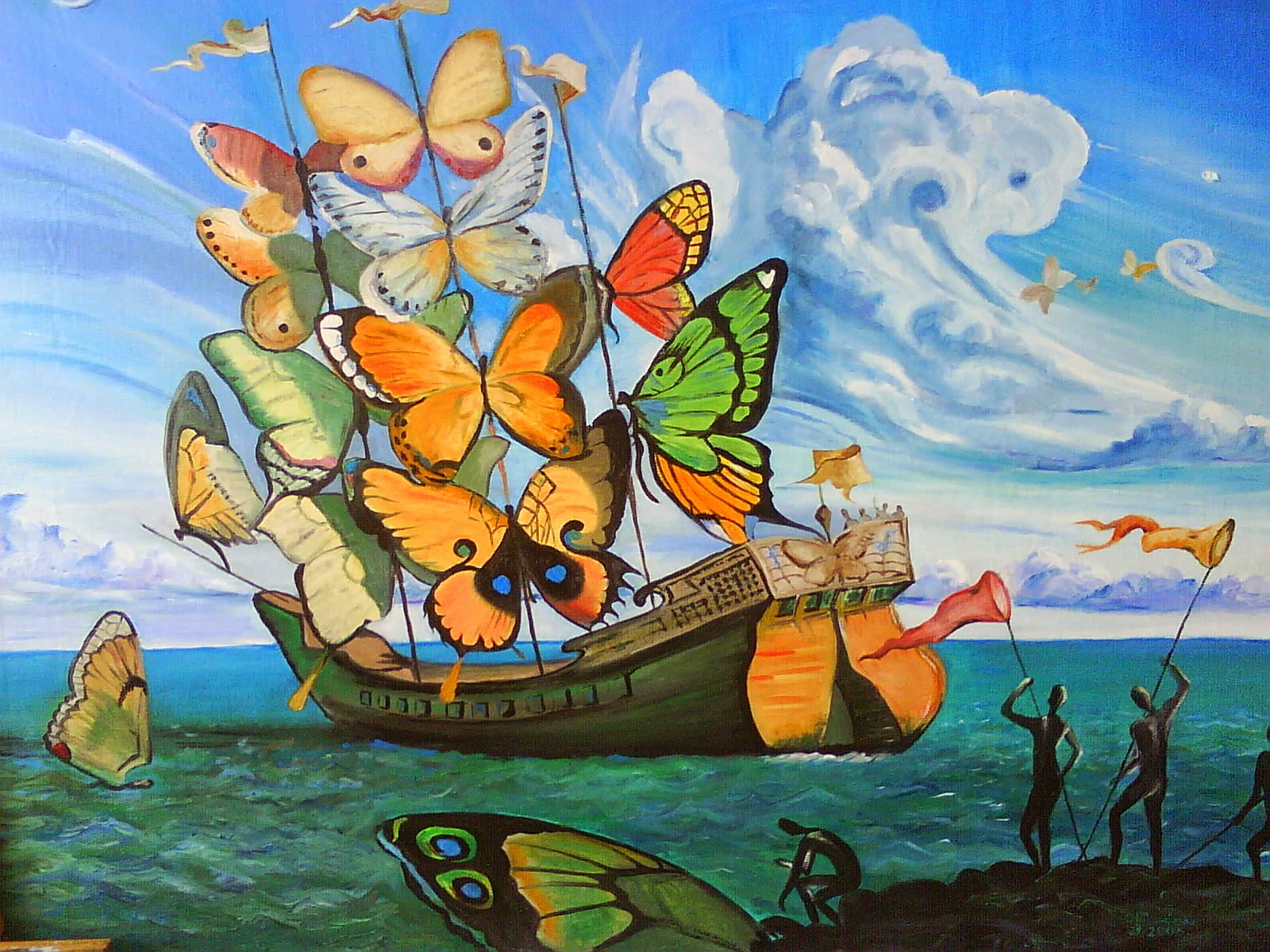
My first art movement will be about surrealism as I love working with this type of art. One of the artists I have learned about is called Salvador Dali, he works with surrealism to produce many diverse pieces of work which has attracted many views and followers.
Here are some of my favourite pieces of his work:


 These two are my most favourite out of the majority of his collection. I love how he shows the butterflies as the sails of a ship in the sea and how the bending and breaking of the clock. These gives people different emotions or thoughts in their head.


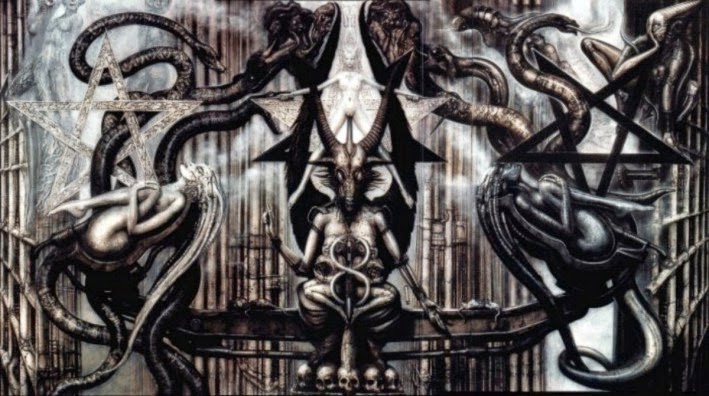
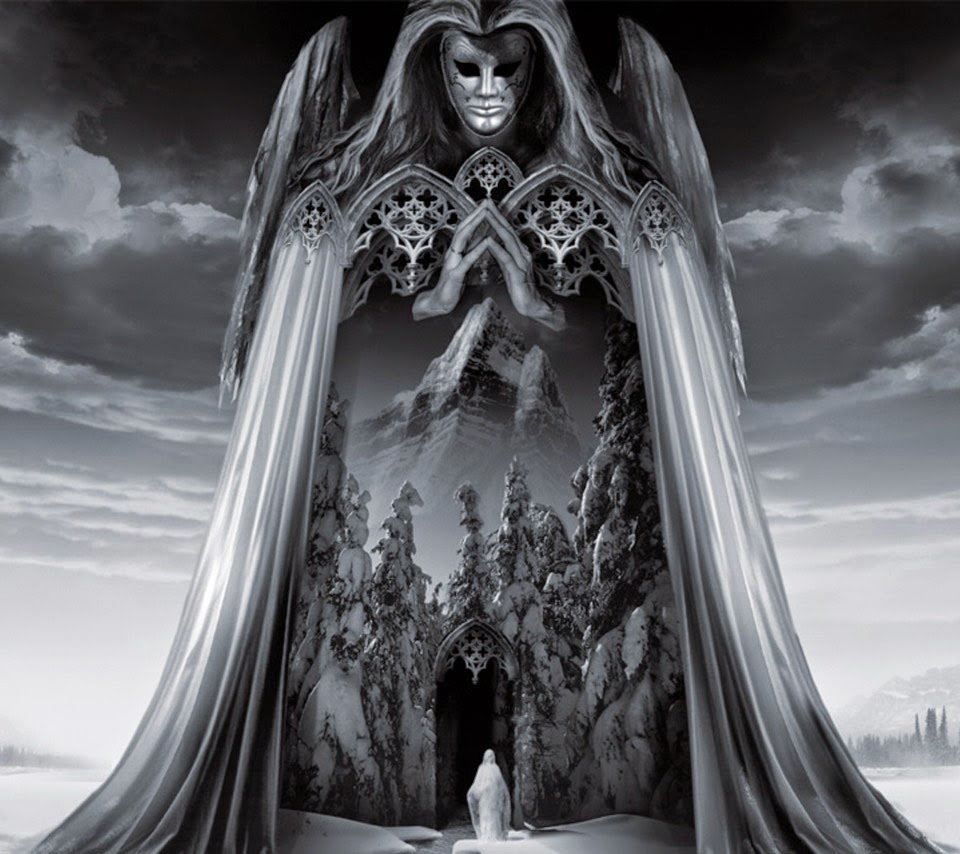
I myself like surrealism as a whole, but a more darker side. The dark eerie backgrounds with broken things, or dark creatures. I have even created pieces of surrealism work for projects.

One of the surreal artists I have studies is HR Giger. His work uses airbrush and creates a dark eerie setting that intrigues others. HR Giger is the person who created the Xenomorph from the Alien movies and Alien Vs Predator.

Hans Rudolf Giger was a Swiss surrealist painter, sculpter and set designer. Giger was part of the special effects team that had won an Academy Award for 'Best Achievement in Visual Effects' for their design work on the 'Alien' film. Giger was named to the 'Science Fiction and Fantasy Hall of Fame' in 2013.

 
Giger's style and thematic execution were influential. His design for 'Alien' was inspired by his own painting 'Necronom IV' which earned him an Oscar in 1980.


For part of my school project I have created this image on the left using only black and white chalk / oil pastel. It took me a while but it looked very good in the end. The image on the right is one of the doorway looking images I made. I had cut half the image and re-created it using plaster mesh. It took awhile to make, dry and paint.

Beginnings

In this blog section I will be exploring different movements of art. There will be many variations of art work shown and movements. Here are some examples of what I will be looking into:

Impressionism, Post-Impressionism, Art Nouveau and Surrealism. This is not a limit to what I will research, but a starting stone.

I have worked with surrealism before so that section may hold more information than others, but it won't have less inspiration.

I will have a range of very old work and modern work to give my blog some diversity but although they range in years, the art will have made either a large impact on art or it inspires me.